Professional Motorcycle Racing Leather Suit
Complete Guide to Motorcycle Racing Leather Suits: Key Features, Advantages, and Purchase Recommendations
Leather racing suits for motorcycles are essential for riders who prioritize safety and performance on the circuit. These protective suits present exclusive attributes that strengthen safety and aerodynamic capabilities. Understanding the various benefits is fundamental for both novice and seasoned riders. Choosing the appropriate leather suit demands thorough evaluation of fit and craftsmanship. Maintenance also plays an essential role in ensuring longevity. What key elements should riders emphasize to make the most informed decision?
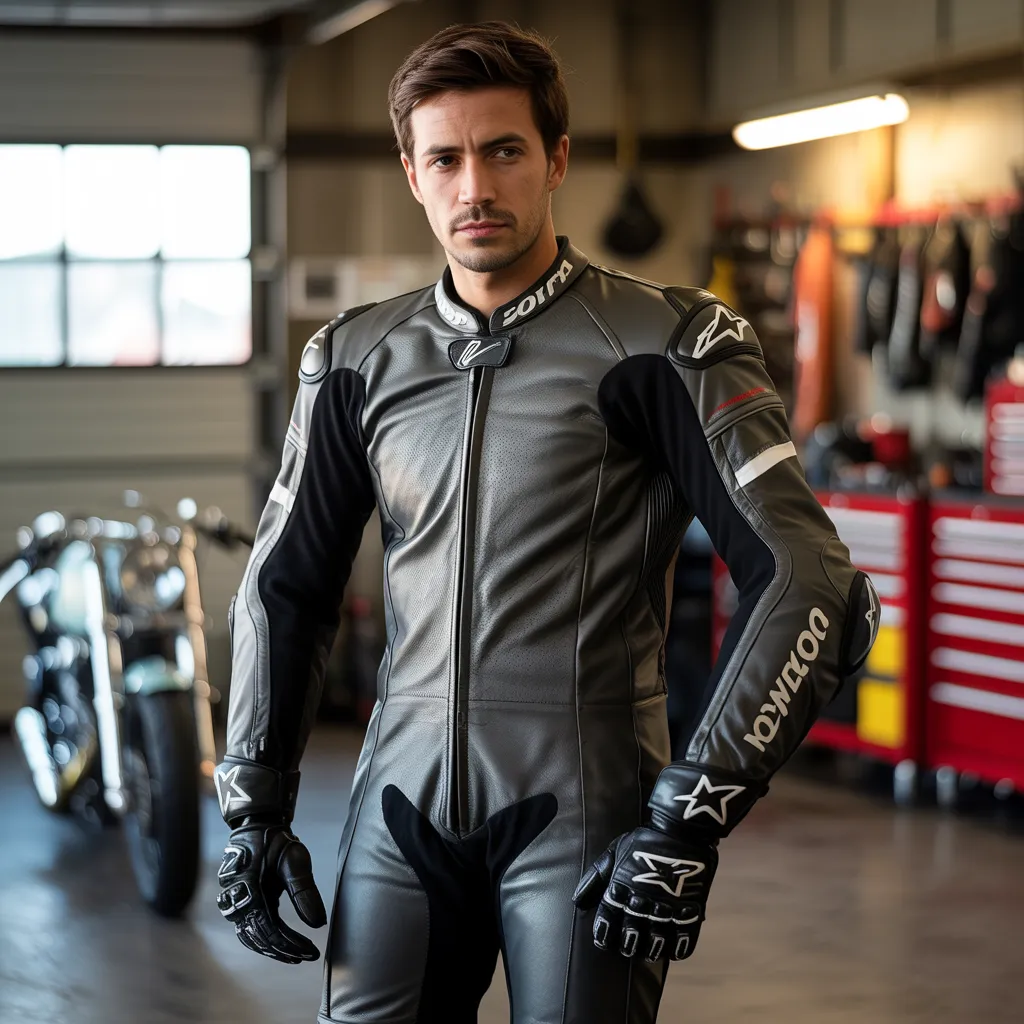
Grasping Racing Motorcycle Leather Suits
Motorcycle racing leather suits are crucial gear designed to boost racer safety and performance on the track. These suits offer a protective layer against impacts and abrasions, which are essential in fast-paced racing conditions. Made primarily from durable leather, they support the motorcyclist's body by offering a snug fit that minimizes wind resistance and boosts aerodynamics.
The design of these suits typically includes reinforced stitching and padding in essential regions, such as the elbows and knees, which offers enhanced safety against injuries during a fall. Additionally, many suits come with ventilation systems to assist in controlling body temperature, helping riders to maintain concentration and effectiveness.
Main Features of Premium Leather Suits
Premium leather suits for motorcycle racing incorporate essential elements that improve rider safety and comfort. Key components include strategic placement of protective armor to absorb impact and innovative materials that promote breathability. These elements work together to verify that riders remain both safe and comfortable during intense racing conditions.
Guard Armor Positioning

Strategic protective armor placement is crucial in maintaining rider safety during high-speed motorcycle racing. Top-tier leather suits are designed with armor strategically positioned at key impact zones, including the shoulders, elbows, knees, and back. This strategic placement minimizes the risk of injury by absorbing shock and delivering a barrier against abrasions. Many suits also include additional armor in areas such as the chest and hips, boosting overall protection. The use of flexible materials and ergonomic designs permits for a comfortable fit while maintaining mobility. In addition, armor should adhere to safety standards, ensuring reliability in the event of a crash. Proper placement and quality of armor can significantly influence a rider's safety and performance on the track.
Ventilation and Comfort
The breathability and comfort of leather suits are vital factors that greatly impact a rider's performance and experience on the track. Premium leather suits typically feature strategically placed ventilation panels and perforations, allowing for ideal airflow while maintaining protective properties. Sophisticated check this materials, such as race-grade leather paired with breathable linings, improve comfort during prolonged rides. Flexible sections, often constructed from textile or stretchable leather, enable a full range of motion, reducing fatigue. Furthermore, ergonomic designs guarantee that the suit fits snugly without constraining movement, which is essential during intense racing. Riders enjoy moisture-wicking properties that help maintain body temperature, keeping them cool and comfortable under pressure. Ultimately, these features contribute considerably to a rider's overall confidence and control on the motorcycle.
Protective Advantages of Wearing Leather Riding Suits
Donning leather suits in motorcycle racing delivers substantial safety benefits that improve rider protection. These suits are crafted with impact-resistant features and abrasion protection qualities, which can decrease injuries during accidents. Furthermore, enhanced visibility elements in the suits contribute to safety by making riders more visible on the road.
Impact Protection Capabilities
Motorcycle racing suits made of leather feature impact resistance properties that greatly enhance rider safety. These suits typically include strategically placed armor or padding in crucial areas such as the shoulders, elbows, and knees, which absorb and spread energy during a fall or collision. This design helps to lessen the severity of injuries, providing crucial protection in high-speed environments. The materials used in construction, often a combination of high-quality leather and advanced synthetic fabrics, contribute to the overall durability and shock-absorbing capabilities of the suit. Additionally, the integration of flexible impact-absorbing materials allows for better mobility, ensuring that riders maintain maximum control while still benefiting from enhanced safety measures. Overall, these features play a significant role in safeguarding motorcyclists on the track.
Abrasion Protection Advantages
Abrasion resistance stands as a crucial benefit of motorcycle racing leather suits, greatly enhancing rider safety on the track. Premium leather is naturally resistant to wear and tear, delivering a strong barrier against the asphalt in the event of a fall. Compared to other fabrics, leather preserves its integrity during slides and impacts, reducing skin abrasions and serious injuries. This durability guarantees that riders can focus on performance without the constant worry of potential injuries from road contact. Moreover, many leather suits include reinforced stitching and protective panels, further boosting their effectiveness against abrasion. By selecting leather suits specifically designed for racing, riders significantly reduce their risk of injury, enabling safer and more confident riding experiences.
Elevated Visual Aspects
Often, motorcyclists benefit from superior visibility components present in motorcycle racing leather suits, which serve a crucial function in safety. These suits commonly contain vivid colors and reflective components, guaranteeing that riders are clearly noticed in varied lighting conditions. Vibrant colors, such as neon yellow or orange, significantly enhance visibility during daytime, while reflective strips boost recognition at night or in dimly lit environments. This enhanced visibility serves to alert other road users, reducing the risk of accidents. Additionally, some suits contain strategically placed designs or patterns that further increase visibility without compromising the suit's aerodynamic design. Overall, improved visibility aspects in leather suits function as an essential safety feature, supporting greater awareness and protection for riders on the road.
Performance Improvements From Leather Suits
While leather suits are primarily engineered for protection, they also provide considerable performance enhancements that can improve a rider's experience on the track. The snug fit of leather suits reduces wind resistance, permitting riders to achieve higher speeds with less effort. Additionally, the aerodynamic design results in enhanced stability, especially during high-speed cornering.
Several leather suits include strategically placed stretch panels, which enhance mobility and flexibility, permitting riders to shift their weight successfully while maneuvering turns. The inclusion of armor in key areas not only guards against impacts but also assists in maintaining posture, fostering a more confident riding position.
Additionally, the thermal regulation properties of leather help keep riders at ease, averting overheating during intense races. Overall, these performance enhancements provide a more controlled and pleasant riding experience, permitting racers to focus on their skills and achieving perfect lap times.
Choosing the Best Leather Suit
How can a rider identify the ideal leather suit for their needs? The initial step is evaluating the fit, guaranteeing it is tight yet comfortable, allowing for ease of movement. Riders should evaluate the suit's construction, going with high-quality leather that delivers long-lasting protection. It is vital to assess the suit's features, such as armor placement, ventilation, and flexibility, which can enhance both safety and comfort during rides.
Additionally, riders must consider their particular riding style—track racing, touring, or casual riding—as each might need different suit specifications. Personal preferences, including style and color, also play a important role in the selection process. Lastly, riders should review customer feedback and consult sizing charts from manufacturers to guarantee they make an informed decision. By carefully considering these aspects, riders can discover a leather suit that satisfies their particular requirements and enriches their overall riding experience.
Upkeep Advice for Your Leather Suit
Correct maintenance of a leather suit is vital for durability and functionality. Regular cleaning is vital; riders should use a damp cloth to wipe away dirt and grime after each use. Dedicated leather cleaners can be employed occasionally to eliminate stubborn stains, but it is essential to avoid harsh chemicals that can deteriorate the material.
Conditioning the leather is also key, as it maintains flexibility and stops cracking. Applying a quality leather conditioner once every few months confirms the suit remains supple. Riders should house their suits in a temperature-controlled environment, away from direct sunlight, to avoid fading and deterioration.
Additionally, checking for wear and tear, particularly in high-friction areas, is recommended. Quick repairs can stop further damage. In conclusion, preventing excessive exposure to water can safeguard the leather's integrity, making sure the suit remains in prime condition throughout its use.
Common Questions
Are Motorcycle Racing Leather Suits Waterproof?
Leather suits designed for motorcycle racing aren't generally waterproof, since leather naturally absorbs water. Nonetheless, numerous suits include water-resistant treatments or liners that work to repel water, offering a degree of protection against gentle rain or water spray when riding.
Can I Customize My Leather Suit Design?
Absolutely, many producers offer personalized options for leather suits. Riders are able to choose colors, patterns, and include personalized logos or names, allowing for a unique design that reflects individual style and preferences.
How Can I Determine My Leather Suit Size?
To determine the correct leather suit size, it's important to measure their chest, waist, and inseam, then refer to the manufacturer's sizing chart. Trying on suits or requesting professional fitting advice can also secure a proper fit.
What's the Typical Lifespan of a Leather Suit?
The usual life expectancy of a leather suit typically ranges from three to five years, based on factors such as how often it's worn, care routines, and exposure to the environment. Correct care practices can enhance its durability significantly.
Do Vegan Leather Suit Alternatives Exist?
There are indeed vegan options as alternatives to leather suits, generally made from synthetic materials such as polyester or nylon. These options can supply similar protection and durability while being better for the environment and suitable to those steering clear of animal products.